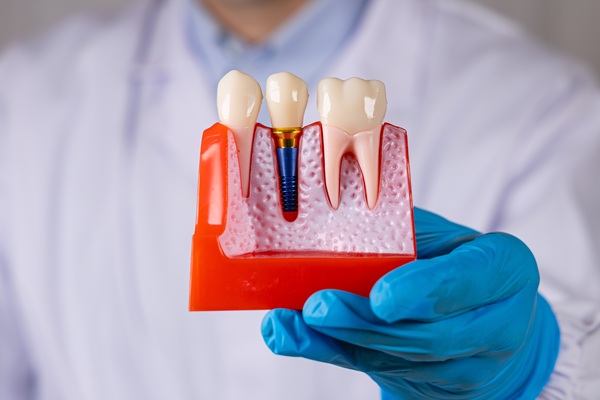
A dental implant restoration is as good as it gets when it comes to replacing a lost tooth. Implants are designed to feel natural in your mouth and they are virtually indistinguishable from real teeth. Implants are a long-lasting solution for missing teeth that can last a lifetime.
What to expect when getting a dental implant restoration
Thinking about replacing your lost tooth with a dental implant restoration? Here is what the process looks like:
The consultation stage
Getting implants starts with a dental examination. The dentist evaluates the patient’s teeth by performing a visual examination and taking x-ray images. This helps to determine if the patient is eligible for implants. Implants are held in place by bone tissues in the jaw so the patient’s jawbone should be thick enough to house the prosthetic.
Patients should have good overall health to be eligible for implants. Diabetes and other health conditions that weaken the immune system make it harder to recover from implant surgery.
The planning stage
During this stage, the dentist will break down how the patient’s treatment will unfold over time. Some patients might need to get bone grafts to thicken their jawbone for an implant. That adds an extra three months to the process since the patient needs to be healed before implants can be inserted. The examination and planning stage typically take place during the patient’s first visit.
Bone grafting stage
This stage is only necessary when the patient’s jaw is not thick enough to hold an implant. It might require multiple visits depending on the type of bone graft being performed.
Surgery stage
This involves the oral surgeon surgically putting the implant in the patient’s jaw. Incisions might be made into gum tissues to reach the bone tissues the implant will be inserted in. It takes three to six months to heal from the procedure. The implant might be covered with a healing cap after its installation.
Crowning stage
This is the final stage of the implant installation process. The oral surgeon removes the healing cap and attaches an abutment to the implant. Impressions of the patient’s teeth are used to craft a crown that rests on the abutment. The impression is sent to a lab where implant crowns are made. It can take up to two weeks for the finished crown to be ready. The crown is fitted on the abutment to complete the treatment. The entire process takes anywhere between six to nine months from start to finish.
The benefits that come with choosing implants include:
- No need for special maintenance
- Restores the function of lost teeth
- Looks natural and is almost impossible to detect
- Prevents the breakdown of bone tissues in the jaw
- Prevents remaining teeth from moving out of their proper positions
Replace your lost tooth with an implant
Ready to restore your lost tooth? Call our Phoenix clinic to schedule a consultation appointment.
Request an appointment here: https://bettersmilesaz.com or call Better Smiles at (602) 466-9906 for an appointment in our Phoenix office.
Check out what others are saying about our dental services on Yelp: Dental Implant Restoration in Phoenix, AZ.
Related Posts
There are many options available for dental restorations, and it is important to be informed about the procedures and treatment plans involved before committing to one. Typically, a patient will have a consultation with a dental professional prior to having any work done. This type of appointment is an ideal time to ask questions and…
Dental restorations can improve overall health by decreasing the chances of infection, decay, and issues caused by broken or misaligned teeth. These treatments range from removing teeth, replacing tooth structures that have decayed, and correcting the patient’s overall bite to improving eating and drinking.A restoration may be performed for cosmetic or health-related reasons, but even…
Restorative dentistry refers to any type of dental procedure that a dentist performs to restore a damaged or missing tooth. Dental restorations can encompass several procedures that vary in terms of invasiveness, complexity, and what they can accomplish. However, the overreaching goal of all restorative procedures is to improve the health, function, and appearance of…
Dental restorations have been used for thousands of years. In fact, a 2012 article published by The New York Times details the discovery of a 6,500-year-old human jawbone. Considered the earliest evidence of dental fillings, it had beeswax in one tooth, which researchers believe was to ease the pain of a crack. These days, restorations…