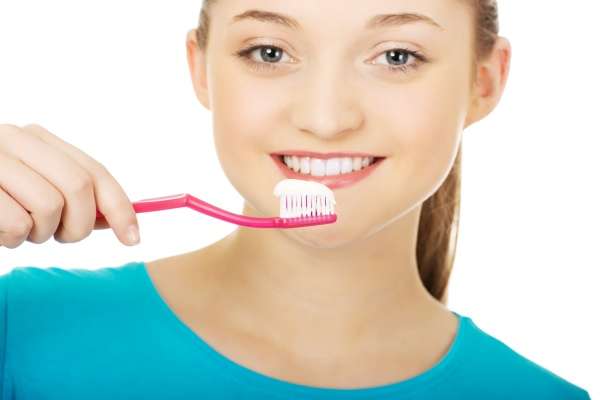
A natural mineral found in teeth, fluoride is a treatment frequently recommended by a family dentist. Fluoride helps prevent cavities, keeps teeth strong, and has been part of healthy oral hygiene for many years. This mineral has an incredible impact on the enamel of the teeth, the hard protective layer around the nerves. It also helps reduce the harmful bacteria that accumulate on the teeth and gums. Although fluoride is an active ingredient in most toothpastes, many people can benefit from the concentrated dose in a fluoride treatment at a dental appointment.
Fluoride treatment facts
Understanding the facts about fluoride can prepare you to respond appropriately when asked whether you would like a fluoride treatment.
The application process
There are several ways a fluoride treatment can be administered. Some dentists put foam or gel in a tray that sits in the mouth for a few minutes. Other offices use a brush or swab to apply a varnish that remains on the teeth throughout the day. A family dentist may also provide a rinse or mouthwash of highly concentrated fluoride that can be swished around and promptly spit out. If one of these methods seems more preferable, it is a good idea to ask the office staff which treatment types are offered before the date of the appointment.
Frequency of treatments
How often a dentist recommends fluoride depends largely on oral health. Those with a current dental condition or who are at high risk of decay or cavities can benefit from having a treatment as frequently as every three months. In cases like these, a dentist may also suggest using a special gel, prescription toothpaste, or a fluoride rinse at home. Fluoride treatment is typically recommended to most people every six to 12 months. Patients should not rely solely on the fluoride found in toothpaste and water, although the American Dental Association also recommends getting fluoride from both sources.
Benefits of fluoride
In addition to helping prevent cavities, fluoride treatments can replace minerals eroded by bacteria. This creates a stronger, more resilient enamel, better equipped to fight off plaque. Fluoride can also keep decay from getting too deep and penetrating the tooth's nerve.
Side effects
While the overuse of fluoride is uncommon, the following side effects can indicate a need to lower fluoride intake:
- Stains and pits on the teeth
- Bones that are dense but weak
- Permanent teeth with white specks
- Inability to achieve bone homeostasis
It is important to follow the direction of a dental professional when using fluoride at home, and make sure to heed all warning labels on products containing higher amounts of fluoride.
Conclusion
Both healthy teeth and teeth with issues can benefit from a fluoride treatment. A family dentist should be knowledgeable about more specific details and able to answer questions as they relate to individual patients and scenarios. This type of treatment can be one of the strongest defenses the teeth have against bacteria and decay.
Request an appointment or call Better Smiles at 602-466-9906 for an appointment in our Phoenix office.
Related Posts
A visit to the family dentist is recommended every six months. For patients with proper oral hygiene, the treatment provided during these visits should be primarily preventative. However, even those who take good care of their teeth occasionally need restorative treatments due to accidents or natural wear and tear over time.Most patients in need of…
For many people, a family dentist is the right choice for routine dental care. While this type of practice is usually equipped to handle the specific needs of pediatric patients, it is still able to provide thorough care for adults as well. Family dentists typically offer a wide variety of services in one location and…
Dental sealants are among the services a family dentist provides to help prevent tooth decay. Dentists perform the application on the back teeth, or molars, used primarily for chewing. These teeth have tiny crevices and uneven places where the bacteria that can cause cavities are often found. According to the American Dental Association, sealants can…